


Foods That Should Never Be Refrigerated for Optimal Freshness
- Ms Trina Lyons AKA Mastah Tee

- Jan 8
- 4 min read
Foods That Should Never Be Refrigerated for Optimal Freshness. Hey! You know how we usually just default to throwing everything in the fridge the second we get home from the grocery store? It feels like the "safe" thing to do, but it turns out we’re actually ruining some of our best snacks.I did a little digging, and it’s wild how many things actually lose their flavor or get a funky texture when they get too cold.

Why Some Foods Should Not Be Refrigerated
Refrigeration slows down the growth of bacteria and mold, which helps many foods last longer. However, cold temperatures can also change the chemical makeup of some foods, affecting their taste, texture, and nutritional value. For example, starches can turn to sugar, fruits can become mealy, and herbs can wilt quickly in the fridge.
The key is to understand the natural ripening process and how temperature affects it. Many fruits and vegetables continue to ripen after harvest, and refrigeration can interrupt this process or cause damage. Other foods have protective skins or coatings that keep them fresh at room temperature but become soggy or moldy when chilled.
Fruits That Should Stay Out of the Fridge
Tomatoes
Tomatoes lose their rich flavor and become mealy when refrigerated. Cold temperatures break down the cell walls, causing a grainy texture and dull taste. Store tomatoes stem side down on the counter away from direct sunlight. If they are very ripe and you need to keep them longer, refrigeration is possible but use them quickly.
Bananas
Bananas turn black and mushy in the fridge because the cold disrupts their ripening enzymes. Keep bananas at room temperature in a fruit bowl. If you want to slow ripening, separate them from other fruits and avoid plastic bags.
Stone Fruits (Peaches, Plums, Nectarines)
These fruits continue to ripen after picking and develop their full sweetness and aroma at room temperature. Refrigeration halts ripening and causes a mealy texture. Leave stone fruits on the counter until ripe, then consume within a day or two.
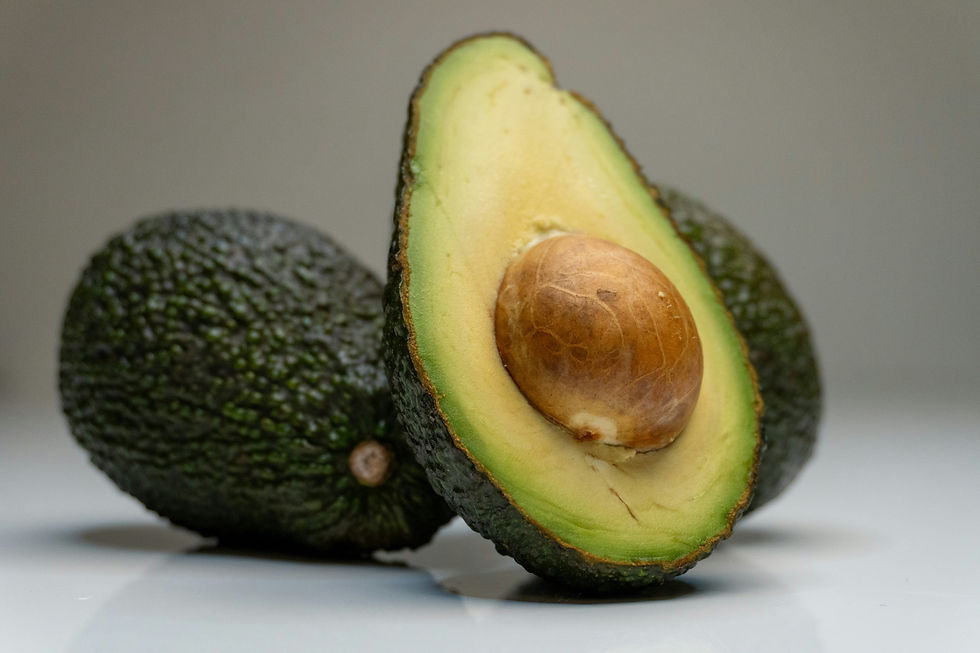
Avocados
Avocados ripen best outside the fridge. Once ripe, you can refrigerate them to slow further softening, but unripe avocados should never be chilled. Keep them in a fruit bowl or paper bag to speed ripening.
Vegetables That Should Not Be Refrigerated
Potatoes
Cold temperatures convert potato starch into sugar, resulting in a sweet taste and gritty texture when cooked. Store potatoes in a cool, dark, and dry place with good ventilation, such as a pantry or cellar. Avoid plastic bags to prevent moisture buildup.
Onions
Onions need dry, well-ventilated storage to stay firm and flavorful. Refrigeration causes them to become soft and moldy due to moisture. Keep onions in a mesh bag or basket away from potatoes, which release gases that speed spoilage.
Garlic
Like onions, garlic prefers a cool, dry, and dark environment. Refrigeration can cause sprouting and mold. Store garlic bulbs in a breathable container at room temperature.
Winter Squash (Butternut, Acorn, Spaghetti)
These squashes have thick skins that protect them at room temperature for weeks. Refrigeration can cause them to spoil faster and lose flavor. Keep winter squash in a cool, dry place.
Bread and Bakery Items
Bread
Refrigerating bread dries it out quickly and makes it stale. Store bread in a bread box or paper bag at room temperature to maintain softness. For longer storage, freeze bread and toast slices as needed.
Pastries and Cakes (Without Cream)
Pastries without cream or custard fillings do better at room temperature in an airtight container. Refrigeration can dry them out and change texture.
Other Foods to Avoid Refrigerating
Honey
Honey crystallizes and thickens in the fridge. Keep it in a sealed jar at room temperature. Honey’s natural properties prevent spoilage without refrigeration.
Coffee
Coffee beans and grounds lose aroma and absorb moisture in the fridge. Store coffee in an airtight container in a cool, dark cupboard.
Oils
Oils like olive oil and coconut oil can become cloudy or solidify in the fridge. Keep oils in a cool, dark place away from heat and light.
Fresh Basil 🌿
Think of basil more like a fresh bunch of flowers than a vegetable. If you put it in the fridge, the leaves will turn black and slimy almost overnight. It absolutely hates the cold!
The best way to keep it fresh is to:
• Trim the bottom of the stems.
• Pop the bunch into a jar or glass of water (like a bouquet).
• Leave it sitting right on your kitchen counter.
If you want it to last even longer, you can loosely drape a plastic bag over the top to keep some moisture in, but definitely keep it at room temperature. It’ll stay green and smell amazing for much longer that way!
How to Store Foods Properly Without Refrigeration
Use breathable containers or bags for vegetables like onions and garlic.
Keep fruits like tomatoes and stone fruits on the counter in a single layer.
Store potatoes and winter squash in a cool, dark, and dry place with good airflow.
Avoid plastic wrap or sealed containers that trap moisture and cause mold.
Separate ethylene-producing fruits (bananas, tomatoes) from sensitive vegetables to prevent premature spoilage.
When Refrigeration Is Necessary
Some foods start out better at room temperature but need refrigeration once ripe or opened. For example:
Ripe avocados can be refrigerated to slow softening.
Cut fruits and vegetables should be refrigerated to prevent bacterial growth.
Dairy, meat, and cooked leftovers always require refrigeration.
Knowing when to refrigerate and when not to helps keep food fresh longer and reduces waste.


Comments